
Reviewed · SOVIET HISTORY TOURS
Astana: Back to USSR – Gulag Museum with Certified Guide
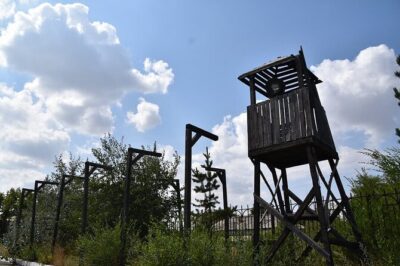
The most powerful part of this day is the visit to KarLag Museum, a former center of Stalin’s forced-labor camp system, where exhibits explain political repression, deportation, prison life, and the people caught in it. The museum is not a quick photo stop. Give it your attention, and you’ll leave with a clearer sense of how Soviet rule shaped Kazakhstan.
I like the way this tour pairs the museum with Karaganda’s coal-mining and Soviet monuments. I also like that the long road journey is made useful by an English-speaking guide who can explain Kazakhstan along the way. The main drawback is the distance: you’ll spend roughly five to six hours in the car during this full-day trip.
Key points to know
- KarLag Museum is the heart of the day: Plan on about two hours with a guide at the former camp administration site in Dolinka.
- The drive is part of the lesson: Astana and Karaganda are about 2.5 to 3 hours apart by road, giving your guide time to explain the country’s past.
- Karaganda adds needed context: Coal mining, Soviet architecture, theaters, cosmonaut references, and monuments help place KarLag within the wider story.
- Lunch is included: You’ll stop at a local Russian restaurant for about 50 minutes, with dietary needs handled if shared in advance.
- Private transport keeps the day flexible: Hotel pickup and drop-off in Astana, bottled water, museum entry, and a live English or Russian guide are included.
- The subject can be upsetting: The museum deals with prison camps and political repression, so it suits adults and older children more than very young children.
The long road from Astana to Karaganda
The tour begins with pickup at your hotel or accommodation in Astana. You should provide your exact location when booking, since pickup is available within the city.
Karaganda is around 2.5 hours from Astana under normal conditions, though some trips have taken closer to three hours. That makes this a serious full-day outing rather than a casual half-day escape. You’ll leave Astana, cross the open countryside, and have plenty of time to ask questions about Kazakhstan’s Soviet past and modern life.
The private format helps here. You are not trying to fit into a large coach schedule, and the guide can shape the conversation around your interests. Guides named in past trips include Abzal, Leon, Bekzat, Zhalgas, Sultan, and Nursultan. Their roles can vary, but the important point is that English-speaking support is available throughout the drive.
The road trip has a practical benefit: it gives you a sense of the distance between Kazakhstan’s new capital and an older industrial city. Astana is known for its modern architecture and ambitious redevelopment. Karaganda offers a different picture, shaped by coal, Soviet planning, deportation, and heavy industry.
Winter deserves special thought. A January trip can bring snow and icy roads. Leon was praised for careful driving in difficult conditions, but you should still expect the journey to take time and dress for a cold-weather day. The tour runs in all seasons according to availability, yet winter driving may make the road portion slower.
More Soviet era history tours around Astana:
- Astana: KarLag and Karaganda – Private USSR history tour
★ 5.0 · 21 reviews - Astana: Back to USSR Gulag Museum with Certified Guide
★ 5.0 · 14 reviews - Half-Day Private Tour to Alzhir Camp from Nur-Sultan
★ 5.0 · 6 reviews
What KarLag Museum reveals
The museum is in Dolinka, about 35 kilometers from Karaganda. It occupies what was once a central administrative site for the Karaganda Corrective Labor Camp system, commonly known as KarLag.
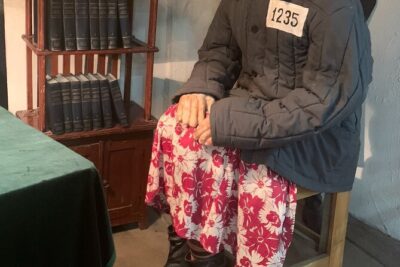
You’ll spend about two hours inside with a guided visit. The displays explain how the camp system worked and show the human cost of Stalin’s rule. The focus is not only on prisoners in the narrow sense. You’ll also learn about political repression, forced labor, and ethnic groups deported to Kazakhstan, including Koreans, Chechens, Germans, Tatars, and Kalmyks.
This is the part of the day that needs the most care. The material can be emotionally intense, and the museum is best approached as a memorial and educational site, not as a curiosity. If you prefer light sightseeing, this outing may feel heavy. If you want to understand Kazakhstan beyond its modern capital, the museum gives essential context.
A museum guide joins the visit. Maria, who led one detailed English-language tour, was praised for handling difficult questions and explaining the camp’s story clearly. Other English-speaking museum guides are available depending on the date.
Photography is allowed on phones and with personal cameras, but professional cameras require an additional fee. If photography matters to you, ask about the charge before bringing professional equipment. The strongest reason to visit is the interpretation, so try not to let taking pictures distract from the exhibits.
Karaganda’s coal-mining story
After the museum, the program turns to Karaganda itself. This matters because KarLag was not an isolated episode in an empty place. The city grew as a major coal-mining center, and its streets, public buildings, and monuments still reflect that industrial and ideological past.
You’ll see Soviet-era monuments and architecture during a guided city visit and photo stop lasting about 1.5 hours. The listed sights include Gagarin’s Monument, theaters built during the Soviet period, statues connected with coal miners, and other monuments linked to Soviet public life.
The exact order can change, but the purpose is consistent. Your guide explains what you are seeing instead of leaving you with a collection of unrelated statues. A monument to a cosmonaut, a grand theater, and a coal-mining memorial each point to a different part of Soviet identity: progress, culture, labor, and state power.
I like this portion because it prevents the museum from becoming a sealed-off history lesson. You’ll see how the period affected the city’s public image and daily surroundings. Karaganda has changed, but parts of its architecture and monument collection still feel closely tied to the Soviet period.
The city stop is not a long walking tour through every district. It is a focused introduction, with time for photographs and explanation. If you want extensive urban sightseeing, you would need a separate Karaganda visit. For a day trip centered on KarLag, the balance is sensible.
A Russian lunch in Karaganda
Lunch takes about 50 minutes at a local restaurant. The meal is included, along with bottled water, and it gives the day a welcome pause after the museum’s serious subject.
The restaurant named in past trips is Three Bears, described as a typical Russian restaurant with a traditional atmosphere. The menu is described broadly as Russian food and delicacies, rather than a fixed list of dishes, so you should not book this expecting a particular meal.
I like that lunch is built into the route instead of leaving you to search for food in an unfamiliar city. It also adds a small cultural layer to the outing. The meal is not the main reason to book, but it makes the day easier and gives you a chance to talk with your guide in a less formal setting.
Tell the operator about allergies or dietary restrictions in advance. That is especially important because the lunch is arranged as part of the tour rather than selected by you on the spot.
More museums in Astana:
- Issyk Lake – shining pearl of Almaty surroundings + Golden Man museum
★ 5.0 · 7 reviews - Almaty: Full Day City Tour with Lunch and Museum Tickets
★ 4.6 · 3 reviews
How the private format affects value
The price is $169 per person. That is not the cheapest way to reach Karaganda, but the value is easier to see when you count what is included: Astana hotel pickup and drop-off, private transport, a live English or Russian guide, museum admission, lunch, and bottled water.
You are also paying for convenience. Reaching KarLag independently would require arranging transport to Karaganda, continuing to Dolinka, organizing museum entry, and finding your way back to Astana. This tour combines those moving parts into one day.
The private-group setup is particularly useful for solo visitors, couples, and small groups who want to ask questions without competing with a large busload. Guides have been praised for easy communication, punctual pickup, and flexibility around personal interests. If you enjoy quiet independent exploration, remember that this is still a guided day with a fixed route.
Transport quality has been a major strength. Every rating supplied for transport was perfect, and guides such as Abzal and Leon handled both driving and conversation well. That matters on a long road trip. A friendly, careful driver can make several hours in the car feel far less tiring.
The reserve-now, pay-later option and free cancellation up to 24 hours before departure also reduce the risk of booking early. Availability can be limited, so advance booking makes sense, particularly if your Astana schedule is tight.
Who will enjoy this day
I would choose this tour if you want to understand Kazakhstan through the Soviet period, not just see Astana’s futuristic buildings. It suits history enthusiasts, people interested in Stalin-era repression, and anyone curious about the connection between coal mining, forced labor, and city growth.
It also works well for a solo visitor. The pickup is arranged from your accommodation, the transport is private, and English-speaking guides can keep the long drive engaging. Christelle, a solo visitor, found the day easy to manage and appreciated the guide’s fluent English and helpful answers.
You should be comfortable with a serious subject and a long drive. The museum deals with prison camps and political oppression, and the full day can feel demanding. Children under four are not accepted, and the experience is not suitable for wheelchair users.
This is not the best choice if you want a relaxed countryside outing, a short excursion, or a day built around shopping and entertainment. The Russian lunch and city monuments add variety, but the museum remains the clear purpose.
Small details that make the day better
Wear comfortable clothes and shoes, since you’ll move between the vehicle, museum, restaurant, and city stops. In winter, use warm layers and sensible footwear. Driving conditions can be snowy or icy, so allow some patience for the return journey.
Keep questions ready for the drive. Guides have explained Kazakhstan’s history, ethnic deportations, coal mining, monuments, and present-day life during the road sections. The more curious you are, the more useful the private format becomes.
If you want professional photographs, check the museum camera fee. Phone photography and personal cameras are allowed without an added charge, but professional equipment is treated differently.
Ask who will lead the museum visit when you confirm your booking. The operator has used several guides, and the museum portion may be led by a separate specialist. That arrangement can be a plus, since a museum guide may know the exhibits in greater detail while your driver-guide focuses on the wider region.
Should you book the KarLag day trip?
Book it if you want a serious, well-organized look at Kazakhstan’s Soviet past and you are willing to spend most of the day on the road. The combination of KarLag Museum, Karaganda’s coal-mining story, Soviet monuments, local lunch, and private transport gives you much more context than visiting the museum alone.
Skip it if long drives drain you or if the subject of forced labor and political repression feels too heavy for your holiday. For the right visitor, though, this is one of the most useful history trips you can make from Astana. The guides, careful transport, and clear structure make the $169 price reasonable, especially when you would otherwise need to arrange every part yourself.
FAQ
How long does the Astana to KarLag tour take?
It is a full-day experience. The drive from Astana to Karaganda usually takes about 2.5 hours, though some journeys take closer to three hours, followed by the museum, lunch, city sightseeing, and the return drive.
Where does pickup take place?
Pickup and drop-off are available from hotels or other accommodations within Astana. You need to provide your location details during booking.
How long is the museum visit?
The guided visit at KarLag Museum lasts about two hours.
Is lunch included?
Yes. A traditional Russian lunch at a local restaurant in Karaganda is included, along with bottled water. Dietary restrictions and allergies should be provided in advance.
Is the tour private?
Yes. The tour is arranged for a private group rather than a large shared group.
What languages are available?
Live guidance is available in English and Russian. English-speaking guides named on past trips include Abzal, Leon, Bekzat, Zhalgas, Sultan, and Nursultan.
Can I take photographs at KarLag Museum?
Phone and personal photography are allowed without an additional charge. The museum charges an extra fee for professional cameras.
Is the tour suitable for children?
Children under four are not accepted. The museum contains emotionally intense material, so you should consider the subject matter carefully for older children.
Is the tour suitable for wheelchair users?
No. The experience is listed as unsuitable for wheelchair users.
What is included in the $169 price?
The price includes the tour guide, Astana pickup and drop-off, transport, traditional Russian lunch, bottled water, and entry tickets to KarLag Museum.
Newest Astana trips on the site
- Tour to Burabay National Park★ 4.5 · 6 reviews
- The Old City Tour★ 5.0 · 3 reviews
- Half Day Private Astana City Tour in Comfort★ 5.0 · 5 reviews
- Astana Private Custom Walking Tour with A Local Guide★ 4.0 · 3 reviews
- Astana: 2-Day 1-Night Ranch Stay & Tour Historic Mausoleum★ 3.9 · 3 reviews
- Astana: Old City Tour, Imperialistic and Soviet Architecture★ 5.0 · 4 reviews
- Half-Day Private Tour to Alzhir Camp from Nur-Sultan★ 5.0 · 6 reviews
- From Astana: Burabai National Park (1 day tour)★ 4.8 · 15 reviews
Soviet History Tours, compared.
KarLag and Karaganda – Private USSR history tour
Read our review →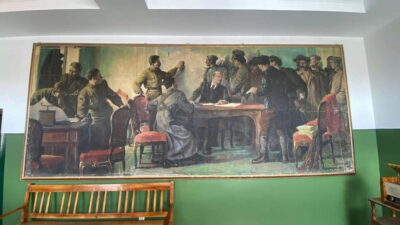
Half-Day Private Tour to Alzhir Camp from Nur-Sultan
Read our review →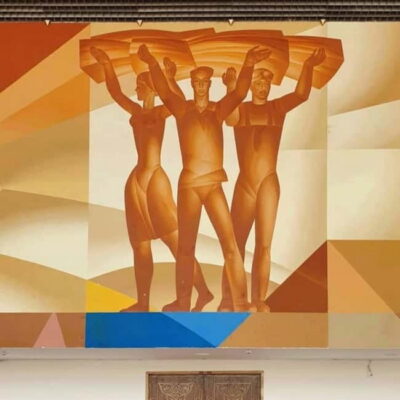
Old City Tour, Imperialistic and Soviet Architecture
Read our review →Browse the lists this tour appears in