
Reviewed · SOVIET HISTORY TOURS
Astana: Old City Tour, Imperialistic and Soviet Architecture
Astana’s newer monuments get the attention, but this tour looks at the capital’s earlier face: Soviet neighborhoods, public art, and everyday stories that are easy to miss from a standard sightseeing route. You move between sites by comfortable car, stepping out for short walks, guided visits, and photo stops.
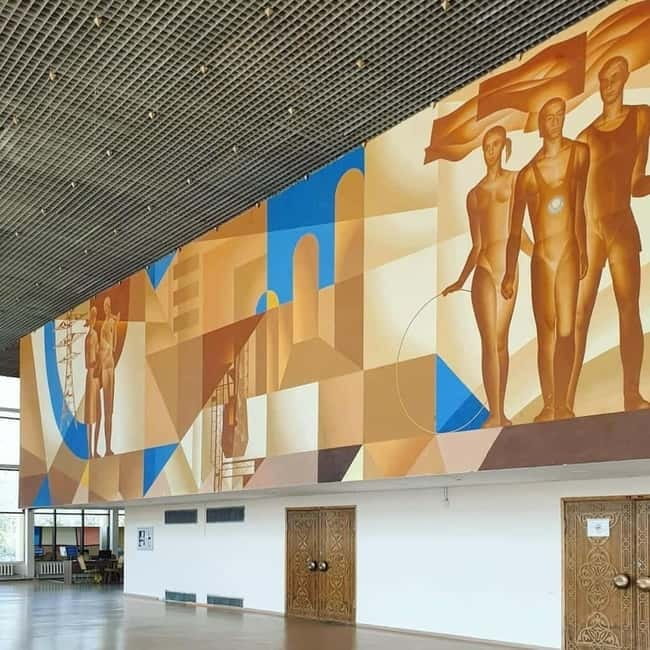
I like the mix of visual detail and personal history. The mosaics, murals, and sculptures give you something concrete to study, while guide Damir’s stories help explain how people lived under the Soviet system. I also like the private format, since you can ask questions and spend more time on a site that catches your eye.
The main consideration is that this is a history-focused tour, not a grand-monument checklist. Some stops are short, and the experience depends on your interest in architecture, public art, and Astana’s past.
Key points at a glance
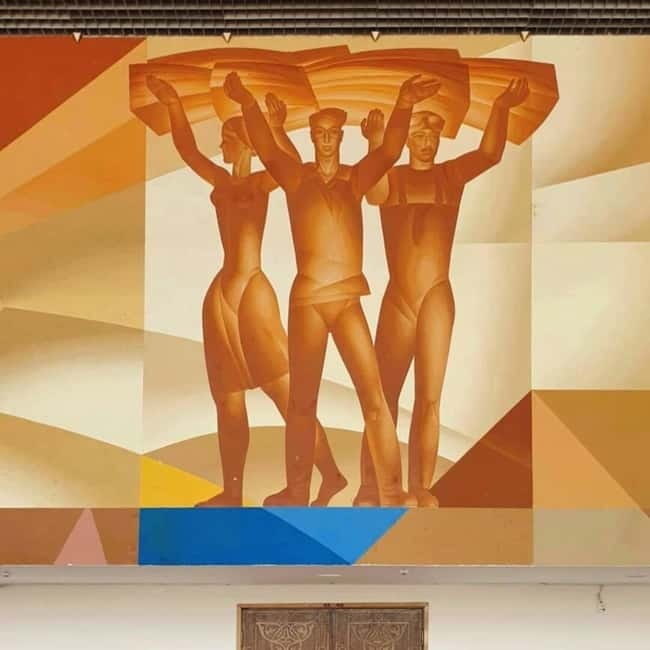
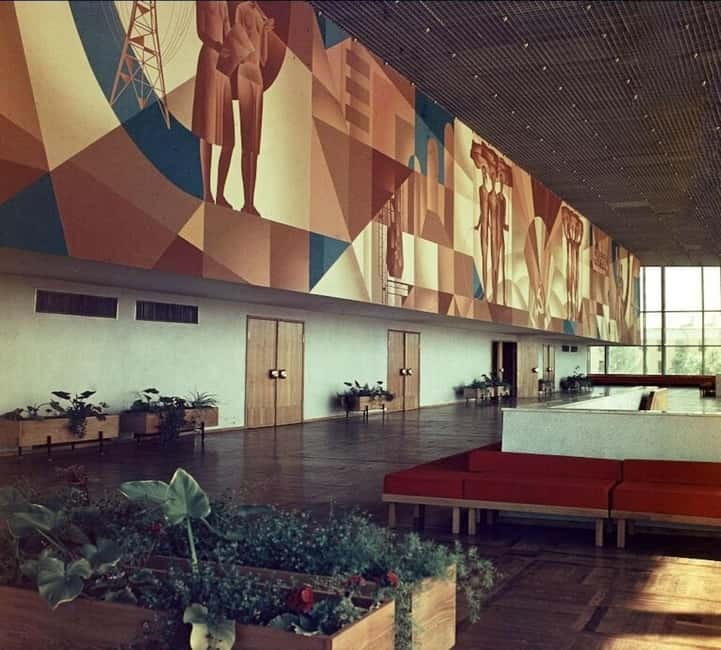
- Soviet art in the open air: Look for mosaics, murals, and sculptures with political, cultural, and social themes.
- A private four-hour route: Hotel pickup and drop-off let you explore without managing local transport between scattered sites.
- Old Astana beyond the postcard view: Historic neighborhoods show how the city changed from its Soviet roots to its present identity.
- Guide Damir’s personal approach: His research and anecdotes add context that a quick photo stop cannot provide.
- English or Russian guiding: You can request the language that suits you best when booking.
- A practical winter option: The car, air conditioning, and shorter outdoor visits help when Astana’s weather is difficult.
Why old Astana tells a different story
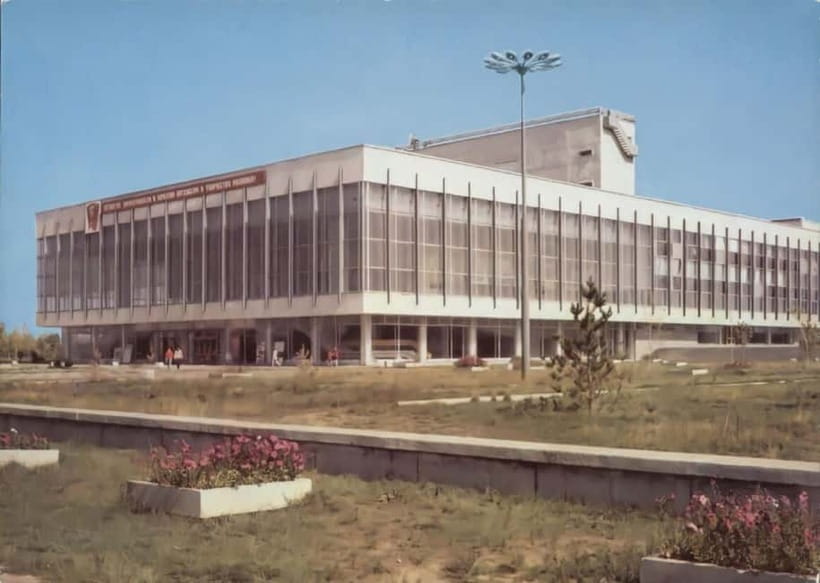
Astana is often presented through its futuristic buildings and grand new districts. This tour points you toward the less polished parts of the capital, where the city’s earlier decades remain visible in building design, public artwork, and neighborhood layout.
I find that approach useful because Soviet-era architecture can look plain at first glance. A guide can show you what to look for: the design of a mosaic, the message behind a sculpture, or the way a public building reflected official values. You are not just taking pictures of old walls. You are learning how the city’s public spaces were used to express ideas about work, culture, education, and national identity.
The tour also helps explain Astana’s change over time. You see places connected with the city’s Soviet past, then consider how those areas fit beside the modern capital. That contrast is one of the strongest reasons to book this experience.
You should not expect a formal museum lecture from start to finish. The route uses neighborhoods and outdoor sites as its main material. That makes it more immediate, but it also means some of your time will be spent looking closely at ordinary streets and structures rather than famous attractions.
More City Tours in Astana
- Astana City Tour: Private Full Day with Lunch and Comfort Pickup
★ 5.0 · 98 reviews - Astana City Tour: Explore Night City with a Certified Guide
★ 5.0 · 90 reviews - Private Half-Day City Tour of Astana in Comfort
★ 5.0 · 46 reviews
A private car makes the four-hour route practical
The experience begins with pickup in Astana, listed in the booking details as Nur-Sultan. The guide can collect you from a requested point, then drive you between the historic areas and art sites included in the route.
That transport matters. The tour includes several stops, and the sights are not presented as one compact museum visit. A private car saves you from arranging taxis, guessing which neighborhood to visit next, or losing time between short walking sections.
You get air conditioning, onboard Wi-Fi, and refreshing drinks. Those details are modest, but useful in a city known for sharp weather changes. The car also gives you a warm place to return to during cold periods, though you should still bring weather-appropriate clothing because the route includes outdoor photo stops.
A private group is another advantage. You can ask about a particular mural, pause for a better photograph, or request more explanation when a story catches your interest. The trade-off is simple: a private tour costs more per person than a large group outing, but the $50 price becomes easier to justify if two or more people are sharing the experience and value a flexible, guided route.
The opening 30 minutes: getting oriented in the old city
The first guided section lasts about 30 minutes. This is where the guide sets up the story of Astana’s earlier identity and explains what to notice in the neighborhoods ahead.
I would use this opening to ask questions. If you are interested in Soviet daily life, architecture, or the city’s political changes, say so early. The guide can then shape the conversation around your interests rather than giving you only a fixed set of facts.
The opening matters because old buildings rarely explain themselves. Without context, you may see a practical apartment block, a public building, or a weathered monument. With context, those same places can show how the city was planned and how public spaces carried official messages.
The schedule is not a long walking tour. It is a moving introduction, with the car helping you cover more ground before the next short stop.
First photo stops: details that reward a close look
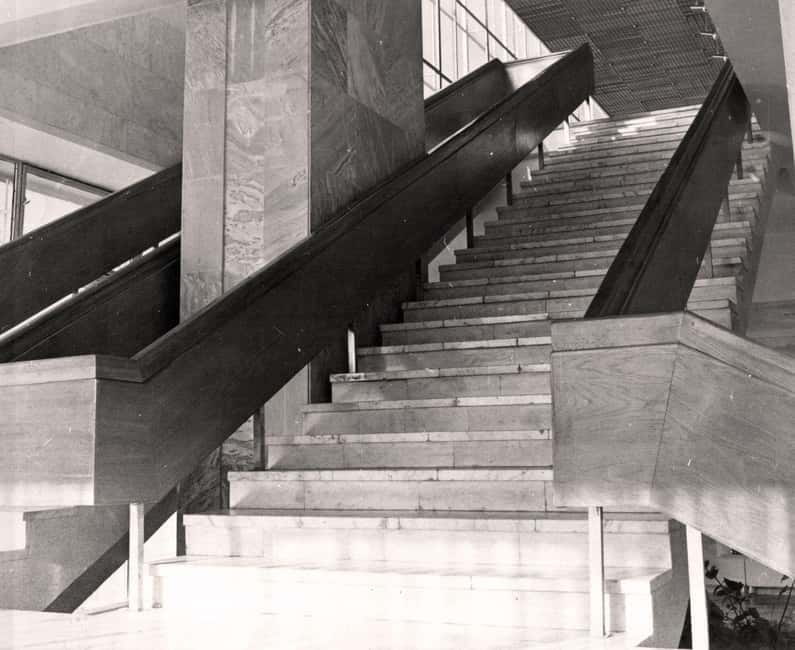
After the opening section, the route includes a 15-minute guided photo stop, followed by another 15-minute photo stop. These short visits are likely to suit you if you enjoy architecture and public art but do not want to spend an entire day on one theme.
The guided stop is where the art becomes easier to read. Soviet mosaics and murals often use broad images and strong symbols, but the meaning may not be obvious if you do not know the local setting. Ask the guide why a particular image appears there, who it was meant for, and how people might have encountered it in daily life.
The second photo stop gives you time to work independently. You can frame the buildings, record details in your notes, or simply compare the older surroundings with Astana’s newer districts. Keep your camera ready, but do not rush past the explanation. The point is not only to collect unusual photographs. It is to understand why these sites are worth preserving.
Because each stop is brief, comfortable shoes still matter. You may not walk for hours at once, but you will get in and out of the car repeatedly.
More Soviet era history tours around Astana:
- Astana: Back to USSR – Gulag Museum with Certified Guide
★ 4.9 · 32 reviews - Astana: KarLag and Karaganda – Private USSR history tour
★ 5.0 · 21 reviews - Astana: Back to USSR Gulag Museum with Certified Guide
★ 5.0 · 14 reviews - Half-Day Private Tour to Alzhir Camp from Nur-Sultan
★ 5.0 · 6 reviews
A 20-minute visit focused on Astana’s past
The next visit lasts around 20 minutes and includes a guided explanation. This is one of the places where the tour moves beyond a drive-by look.
The supplied details do not name every site, so you should not expect a fixed list of famous buildings. Instead, the guide takes you to lesser-known places connected with Astana’s earlier identity. That is a strength for anyone who has already seen the central sights and wants a different view of the city.
I like this part of the route because a short visit can work well when the guide knows what deserves attention. You may examine a building, public artwork, or neighborhood feature, then hear how it fits into the city’s development. The limitation is that 20 minutes is not enough for a large museum or an extensive indoor collection, so this is best understood as a focused stop rather than a full cultural institution visit.
Entrance fees to museums and attractions are included if the route uses them. The tour does not include a meal, so plan to eat before or after the four-hour outing.
Another 30-minute guided stop and a second look at public art
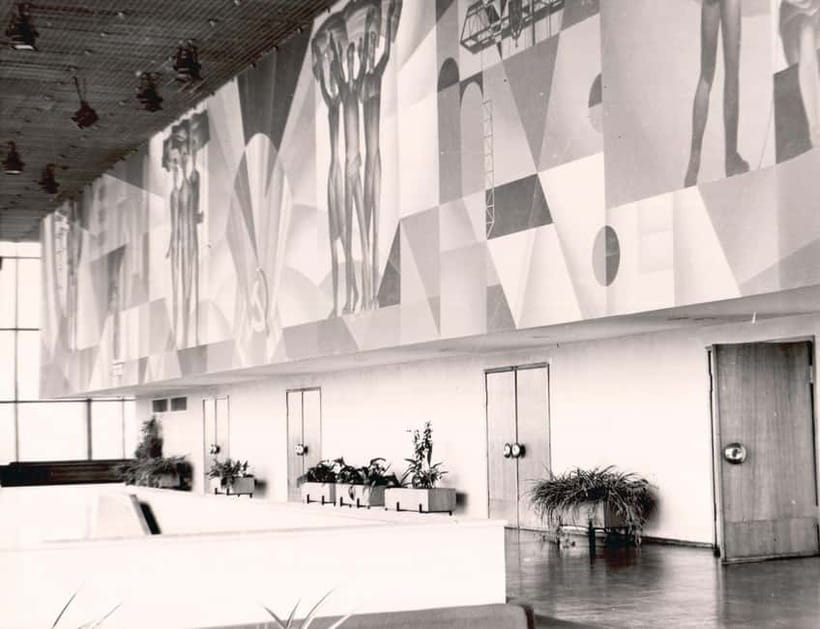
A further 30-minute photo stop and guided visit gives the subject more room to breathe. By this point, you should have a better sense of the visual language used in Soviet public art.
This is where I would expect the guide’s research to have the most value. The experience is built around sites that can be easy to overlook, and Damir is described as someone who continues looking for new places that other guides may not include. That suggests a route shaped by curiosity rather than only by the standard sightseeing circuit.
The stories also bring a human scale to the subject. You hear about life in the Soviet Union, not just dates and construction styles. Personal anecdotes can help you understand how official art, work, education, and public culture affected ordinary people. The exact stories will depend on the guide and the day’s route, but the tour is designed to connect physical places with lived experience.
You will have time for photographs, though a guided explanation takes part of the stop. If you want both a careful look and plenty of pictures, tell the guide. The private format gives you a better chance of making that request.
Short visits to lesser-known sites
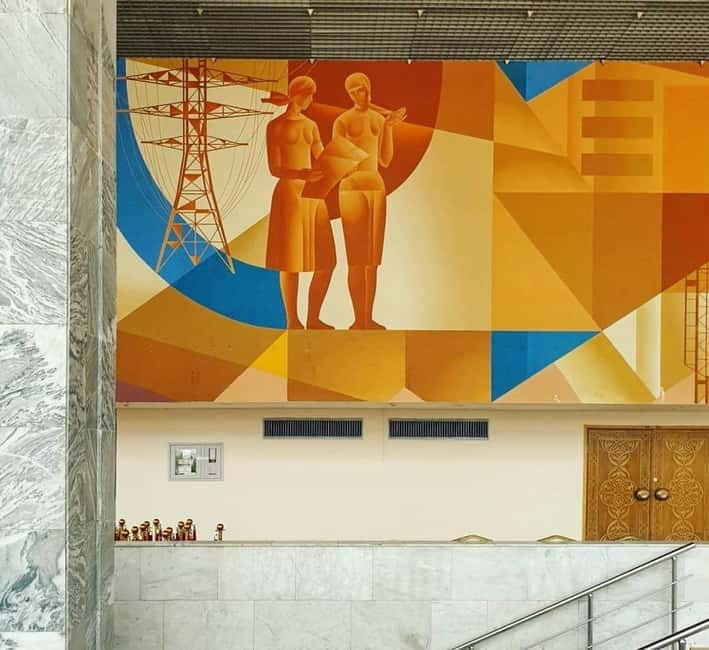
The next two stages include a 15-minute photo stop and visit, followed by a 20-minute photo stop, visit, and guided talk. These shorter sections keep the pace moving and add variety.
A 15-minute stop is enough for a quick look, a few photographs, and a concise explanation. It is not enough to wander freely through a large district. I would treat these points as pieces of a wider story rather than independent attractions.
The 20-minute visit adds a little more time for questions. You may find this especially useful if a sculpture, mural, or building raises questions about ideology or cultural change. The guide’s role here is not simply to point out what is old. It is to explain why the object mattered and how it relates to the city around it.
The route’s shorter stops may feel brisk if you prefer slow architectural study. They work better for someone who wants a broad, connected picture of old Astana in one morning or afternoon.
The final 30-minute stop brings the story together
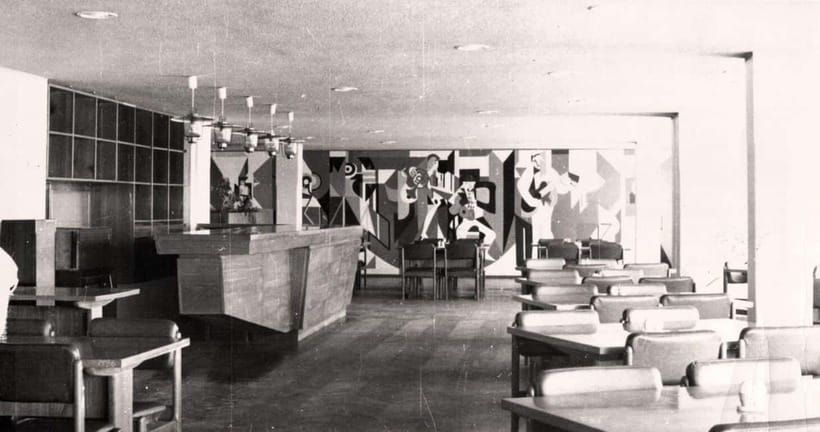
The last major stop lasts about 30 minutes and includes another guided explanation and photo opportunity. This gives the tour a useful closing section rather than ending after a series of unrelated snapshots.
By now, you can compare the earlier neighborhoods with the modern capital more clearly. The old city is not presented as a separate world. It is part of Astana’s ongoing change, and the tour helps you see how the Soviet foundation remains beside newer political and architectural ambitions.
I would use this final stop to ask any questions that came up earlier. You may want clarification about a symbol, a building style, or the transition from the Soviet period to the current city. Since the group is private, this is also a good time to ask for practical recommendations for the rest of your stay.
The tour then returns you to Astana. With hotel pickup and drop-off included, the experience is easy to fit into a day of sightseeing, especially if you have limited time in the capital.
What the $50 price includes
At $50 per person, this is not the cheapest way to look around Astana. The value comes from what is bundled into the four hours: a private group, an expert guide, car transport, hotel pickup and drop-off, drinks, Wi-Fi, air conditioning, and entrance fees to museums and attractions used on the route.
You are paying for interpretation as much as transport. A taxi can take you to an old neighborhood, but it will not explain the meaning of a Soviet mosaic or connect a sculpture with the city’s political past. A self-guided visit may cost less, but it also assumes you can locate the lesser-known sites and understand their context.
The price makes the most sense for couples, families, or small groups who want a personal route. Solo visitors should consider the cost against the convenience of private transport and a dedicated guide. If your priority is only taking quick photographs of major landmarks, this may feel too specialized. If you want the background behind what you see, the fee is more reasonable.
Who should book this experience
I would recommend this tour to you if you:
- Enjoy architecture, public art, and city history.
- Have already seen or plan to see Astana’s newer central attractions.
- Prefer a private group over a large coach.
- Want an English- or Russian-speaking guide.
- Like asking questions and following a subject beyond the obvious sights.
- Need hotel pickup and transport between several neighborhoods.
It is also a sensible choice for visitors who want a more grounded view of Astana. The route is not built around grand interiors or long museum visits. It is about fragments: a mural, a sculpture, an older street, a building, and the story that connects them.
You may want a different tour if your main goal is food, shopping, modern architecture, or a long walking route. The itinerary includes many short stops, so people who prefer to linger at one location should tell the guide at the start.
Bring comfortable shoes, a camera, and clothing suited to the forecast. Even with the car, you will spend time outside. The tour is wheelchair accessible, but you should still discuss your specific needs with the provider when arranging pickup and the route.
Should you book the old Astana tour?
Book it if you want to see the capital behind its newest buildings. The strongest parts are the private transport, the access to lesser-known places, and the way the guide connects Soviet mosaics, murals, sculptures, and neighborhoods with everyday life.
The four-hour format gives you a useful survey without taking up an entire day. The possible weakness is the short timing at several stops, along with the fact that the subject is specialized. You will get more from it if you already enjoy history and architecture, or if you want a thoughtful counterpoint to Astana’s modern image.
For a first-time visit focused only on headline sights, choose another route or add this one as a second tour. For an authentic look at how the city grew from its Soviet past, the $50 price is fair, especially when you use the included car, guide, pickup, and entrance fees.
FAQ
How long does the Astana old city tour last?
The tour lasts four hours, including pickup, guided visits, photo stops, and return to Astana.
What does the tour cost?
The listed price is $50 per person.
Is hotel pickup included?
Yes. Pickup and drop-off are included, and the guide can collect you from a requested point in Astana.
Is this a private tour?
Yes. The experience is offered for a private group.
Which languages are available?
The live guide service is available in English and Russian.
What can I see on the tour?
You can visit historic neighborhoods and lesser-known sites connected with Astana’s Soviet past, including Soviet-era mosaics, murals, sculptures, and architecture.
Is transportation provided between stops?
Yes. A comfortable car is included, along with air conditioning and Wi-Fi on board.
Are entrance fees included?
Yes. Entrance fees to museums and attractions used during the tour are included.
What should I bring?
Bring comfortable walking shoes, a camera, and clothing suited to the weather forecast. A meal is not included.
Newest Astana trips on the site
- Tour to Burabay National Park★ 4.5 · 6 reviews
- The Old City Tour★ 5.0 · 3 reviews
- Half Day Private Astana City Tour in Comfort★ 5.0 · 5 reviews
- Astana Private Custom Walking Tour with A Local Guide★ 4.0 · 3 reviews
- Astana: 2-Day 1-Night Ranch Stay & Tour Historic Mausoleum★ 3.9 · 3 reviews
- Half-Day Private Tour to Alzhir Camp from Nur-Sultan★ 5.0 · 6 reviews
- Astana: Back to USSR – Gulag Museum with Certified Guide★ 4.9 · 32 reviews
- From Astana: Burabai National Park (1 day tour)★ 4.8 · 15 reviews
Soviet History Tours, compared.
Back to USSR – Gulag Museum with Certified Guide
Read our review →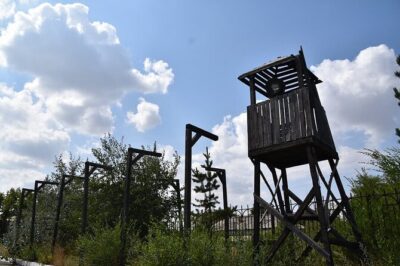
KarLag and Karaganda – Private USSR history tour
Read our review →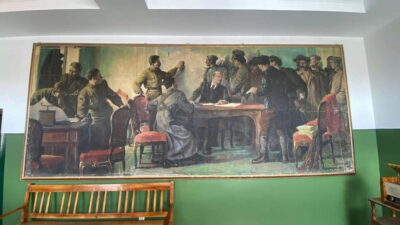
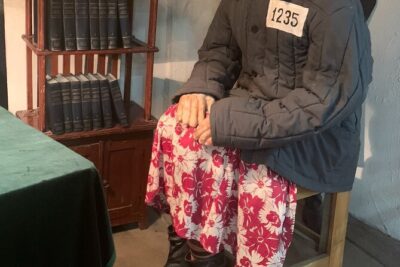
Half-Day Private Tour to Alzhir Camp from Nur-Sultan
Read our review →Browse the lists this tour appears in