
Reviewed · SOVIET HISTORY TOURS
Astana: KarLag and Karaganda – Private USSR history tour
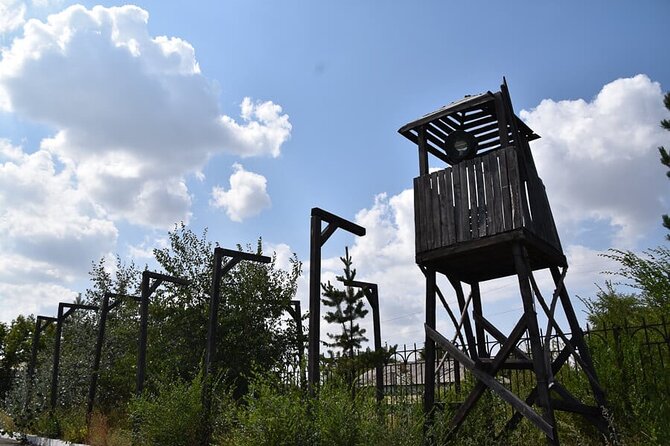
Karaganda’s story is written in coal dust, Soviet stone, and the painful record of the KarLag labor camp system. This private day trip from Astana takes you to both sides of that story: the city’s public monuments and theaters, then the KarLag Museum, where the past becomes far more personal and difficult.
I like the clear contrast between Karaganda’s mining identity and the museum’s account of political repression. I also like the private format, which lets your group move at its own pace, with guide Amir available to explain what you are seeing. The tradeoff is simple: this is a long day, with about five hours of total driving.
Key points to know
- KarLag Museum at Dolinka: Spend about two hours inside the main historical site, located roughly 35 kilometers outside Karaganda.
- Private transport and pickup: Pickup is offered, and only your group takes part in the activity.
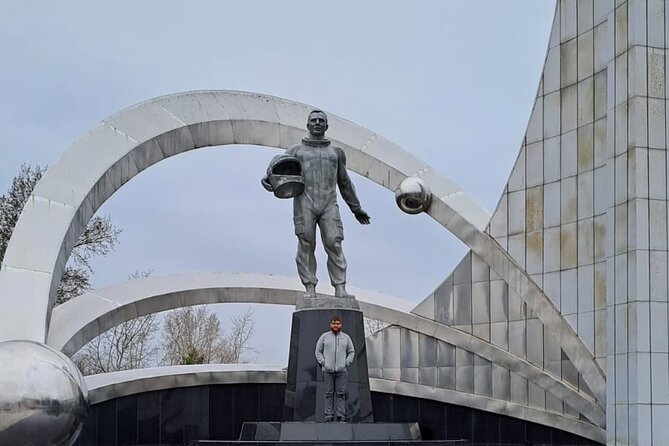
- Several Karaganda landmarks: See Shalkyma Concert Hall, the Stanislavskiy Drama Theatre, mining monuments, and Gagarin’s Monument.
- A full 10 to 11 hours: Travel time is part of the total, so plan for an early start and a late return.
- Lunch during the day: A meal break is built into the schedule, with a Russian restaurant mentioned as a strong point of the day.
- Good for families: The sightseeing is varied, though the KarLag subject matter may be heavy for younger children.
Why KarLag and Karaganda belong together
Karaganda is not simply a side stop on the way to a museum. The city grew into a major coal-mining and industrial center, and its public buildings and monuments reflect that role. The KarLag Museum, outside the city in Dolinka, adds the darker part of the story: the Soviet labor camp network and the people caught in it.
That pairing gives you more context than a museum visit alone. In central Karaganda, you see how the city presented itself through theaters, public monuments, and mining symbols. At Dolinka, you confront the cost of the system that helped shape the region.
I find this structure useful because it prevents the day from becoming a string of unrelated photo stops. The first part gives you the city’s civic and industrial face. The second part asks you to slow down and pay attention to the human suffering behind the region’s development.
The tour runs about 10 to 11 hours from Astana, and travel time counts toward that total. Karaganda is about two and a half hours from Astana, so the day involves a substantial road journey in both directions. If you want a short excursion with lots of free time, this is not it. If you want a focused history day without arranging separate transport, the long drive is part of the value.
More Soviet era history tours around Astana:
- Astana: Back to USSR – Gulag Museum with Certified Guide
★ 4.9 · 32 reviews - Astana: Back to USSR Gulag Museum with Certified Guide
★ 5.0 · 14 reviews - Half-Day Private Tour to Alzhir Camp from Nur-Sultan
★ 5.0 · 6 reviews
Shalkyma Concert Hall and two famous names
The first sightseeing stop is Shalkyma Concert Hall. You have about 20 minutes here, enough for a quick look and photographs rather than a full performance or extended interior visit.
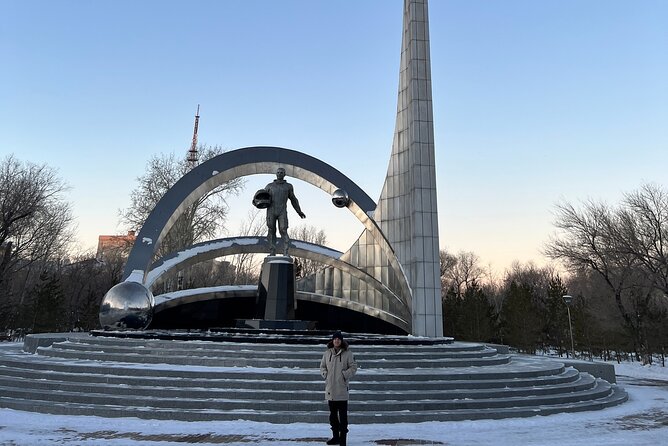
The setting also includes a monument to Yuri Gagarin, the Soviet cosmonaut, and an alley with a monument to Abay Kunanbayev, one of Kazakhstan’s most prominent poets. These names help place the stop in two different cultural worlds: the Soviet space program and Kazakh literary identity.
I like this opening because it gives you an immediate sense of how public spaces in Karaganda carry several layers of memory. The stop is brief, so your guide’s explanation matters. With a private group, you can ask for a little more context if one of the monuments interests you.
Do not expect a long museum visit here. The schedule allows 20 minutes, and the main purpose is orientation, exterior viewing, and photographs.
The 1930 Stanislavskiy Drama Theatre
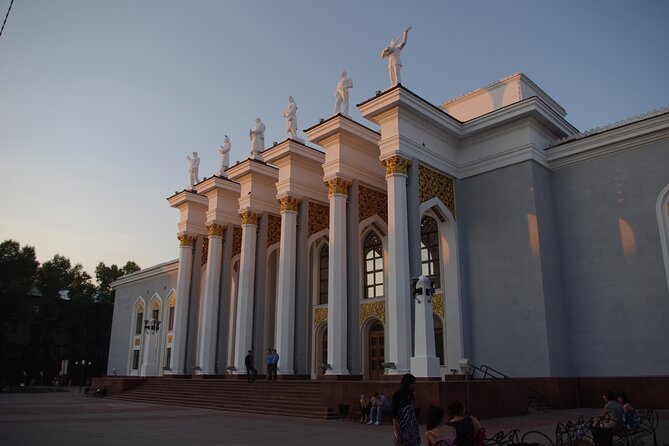
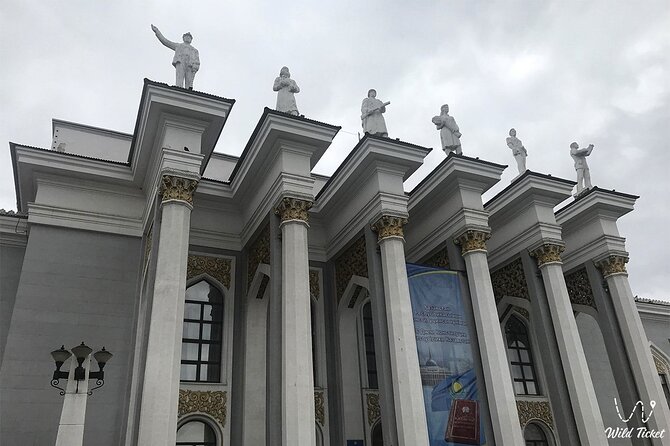
Next comes the K. Stanislavskiy Drama Theatre, one of the first Russian drama theaters in Kazakhstan. It opened in 1930 and continues to function as a theater.
You have only about 10 minutes at this stop. That makes it a quick architectural and historical pause, not a performance experience. I would treat it as a way to see how firmly Russian-language cultural institutions were established in the city during the Soviet period.
The theater also helps balance the mining monuments later in the day. Karaganda was an industrial center, but it was not only mines and factories. Public theaters formed part of the city’s cultural life, and this building remains tied to that past.
If you care about theater architecture, ask your guide to point out the most important features before moving on. The short stop means you should be ready to make the most of a brief visit.
Glory to the Miners and Karaganda’s public image
The Monument to Mining Glory is one of the clearest symbols of Karaganda. It sits opposite the Miners’ Palace of Culture, linking the city’s industrial identity with its public ceremonial life.
The visit lasts about 30 minutes. That should give you time to look at the monument, see the surrounding setting, and take photographs without feeling rushed. The tour does not treat the monument as an isolated object. It places it within the city’s coal-mining story.
This is an important distinction. A large monument can look like ordinary Soviet public art if you do not know why it is there. Here, it represents the work that shaped Karaganda and the official pride attached to that work.
I like this stop for its directness. You do not need a long museum label to understand the message. The monument and the nearby Palace of Culture show how mining was made part of the city’s public identity.
At the same time, the stop is mainly visual. The strongest interpretation will come from your guide, so use the opportunity to ask about the miners, the city’s industrial growth, and how the monument fits into Karaganda today.
More history tours in Astana:
- Astana: 2-Day 1-Night Ranch Stay & Tour Historic Mausoleum
★ 3.9 · 3 reviews - Ancient petroglyphs of Tanbaly – UNESCO World Heritage
★ 5.0 · 18 reviews - Almaty City Tour: A Journey Through Culture, History, and Nature
★ 5.0 · 8 reviews - Almaty Hightlights Tour: Discover Culture, Nature, and History
★ 5.0 · 6 reviews
The joke behind Gde-gde? V Karagande!
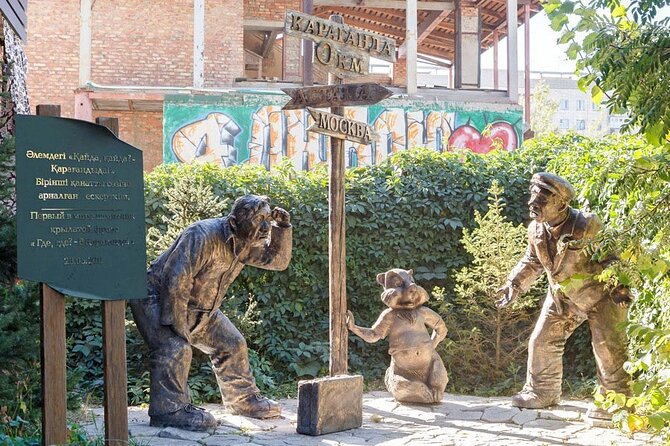
The next stop is devoted to a phrase familiar to Russian speakers: Gde-gde? V Karagande! It translates roughly as Where? In Karaganda! The expression is commonly used as a humorous reply, but its origin is linked to the KarLag labor camp.
The monument gives the phrase a physical place in the city. You have about an hour here, which is much longer than at the theaters or mining monument. That extra time suggests a more relaxed stop for explanation, photographs, and a closer look at the way humor and painful history can overlap.
This is one of the more unusual parts of the day. It is not just a standard city landmark. The phrase has become part of popular speech, while its connection to KarLag points to a much harsher past. Your guide can help keep that contrast in perspective.
I would not treat the monument as a joke without context. The humor belongs to the phrase’s modern use, but the historical link matters. That tension is exactly why the stop is worth more than a quick photograph.
The one-hour visit also helps break up the long drive and gives you time to ask questions before reaching the museum. If your group includes children, this may be an easier way to introduce the subject of KarLag before the more serious museum visit.
Two hours at the KarLag Museum in Dolinka
The emotional center of the tour is the KarLag Museum, located in the settlement of Dolinka, about 35 kilometers outside Karaganda. The drive from the city takes roughly 30 minutes, and the museum visit lasts about two hours.
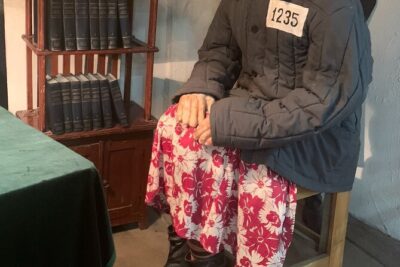
The museum focuses on the history of Stalin’s labor camps and the memory of people affected by political repression. It is not a light sightseeing stop. You should expect a serious account of imprisonment, forced labor, and the system that operated in the region.
Two hours is a useful amount of time here. A shorter visit could leave you with only a few dates and images. This schedule gives you room to read, look carefully, and ask your guide for explanations. Since the museum is the main reason for making the journey from Astana, the time allocated to it feels appropriate.
I also like the location outside Karaganda. The museum is not treated as a small exhibit tucked into the city sightseeing route. Reaching Dolinka makes the former camp setting part of the day’s experience, even though the available information does not specify how much of the original camp complex remains accessible.
The museum visit may be difficult for younger children. The day can work for families, and children enjoyed one reported outing, but the subject matter is serious. I would prepare children in advance and decide based on their age and interest in history.
You should also expect the museum to change the mood of the day. The earlier stops are public and photographic. At Dolinka, the focus shifts to personal suffering and state repression. That change is not a flaw, but it is something to be ready for.
Lunch and the rhythm of a long private day
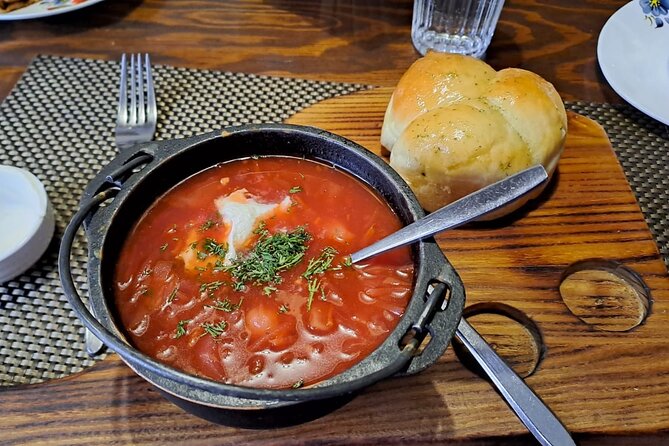
Lunch is built into the day, giving you a needed break between the sightseeing stops and the museum portion. A Russian restaurant was singled out as a highlight, with a delicious meal that helped keep the day moving.
The exact menu and whether lunch is included in the $199 price are not specified, so check those details before booking. The important point is that you are not expected to go through 10 or 11 hours without a proper meal stop.
A private tour makes this rhythm easier to manage. You are not sharing the day with a large group, and you can raise practical needs with your guide. That does not remove the long drive, but it can make the schedule feel less rigid.
Guide Amir received direct praise for planning and clear explanations. A good guide matters particularly on this route because many of the stops need historical context. The buildings and monuments are worthwhile, but their meaning is not always obvious from a quick look.
Is $199 per person a fair price?
At $199 per person, this is not a budget city tour. The price needs to be judged against the scale of the day: private participation, pickup offered, transport from Astana to Karaganda and Dolinka, several city stops, a two-hour museum visit, and a total duration of 10 to 11 hours.
The KarLag Museum admission is included. The information does not clearly state that lunch is included, so you should confirm that before you pay. The price also makes more sense if you value having a dedicated guide and avoiding the work of arranging a long-distance trip on your own.
For a solo visitor, the cost may feel high. For two or more people sharing a private booking, the service becomes easier to justify, especially if you want control over the pace and the ability to ask questions. Group discounts are offered, which may improve the value for larger private groups.
I would compare this tour with the cost and effort of finding transport, locating Dolinka, arranging museum admission, and planning the city stops separately. The private format saves that work. You are paying for time, transport, planning, and interpretation, not just entry to one museum.
Who should book this history tour?
I would choose this experience if you have a serious interest in Soviet history, Kazakhstan’s industrial past, or the history of political repression. It also suits visitors who want to see more than Astana during their stay and are willing to give a full day to the road.
Families can consider it, especially if older children are interested in history. The city monuments and lunch provide some variety, but the KarLag Museum is emotionally heavy. Younger children may not get much from the museum, and parents should decide how much of that material is suitable.
This is less suited to someone looking for scenic countryside, outdoor activity, or a relaxed day with long breaks. The route is history-focused, and the main reward comes from listening, looking closely, and thinking about what you see.
The tour is also a good match for Russian-speaking visitors who recognize the Gde-gde? V Karagande! phrase. Even if you do not speak Russian, the monument and its connection to KarLag add an unusual cultural detail to the route.
Practical details before you reserve
Pickup is offered, and the tour is private, so only your group participates. Confirmation is provided at booking, and most people can take part according to the available tour information.
Plan for a full day. The journey from Astana to Karaganda takes about two and a half hours, and the KarLag Museum is another 30 minutes from the city. The return journey is included in the overall timing, so avoid scheduling a late evening commitment.
The activity requires good weather. If poor weather causes cancellation, you can choose another date or receive a full refund. You can also cancel for a full refund up to 24 hours before the start time. Changes or cancellations made less than 24 hours before the start time are not accepted for a refund.
Should you book the KarLag and Karaganda tour?
Book it if you want a focused, private look at one of Kazakhstan’s most important Soviet-era destinations and you can handle a long day on the road. The two-hour KarLag Museum visit is the main reason to go, while Karaganda’s theaters, mining monuments, and public memorials give that visit useful context.
I especially like the combination of city history and labor camp history, plus the chance to travel with a private guide such as Amir. I would skip it only if you dislike long drives, prefer light sightseeing, or want a flexible day with plenty of unscheduled time.
For history-minded visitors based in Astana, this is a serious and worthwhile excursion. Just set your expectations correctly: the road is long, the subject is heavy, and the best parts reward attention rather than speed.
FAQ
How long does the KarLag and Karaganda tour last?
The tour lasts approximately 10 to 11 hours, including travel time.
How far is Karaganda from Astana?
Karaganda is located about two and a half hours from Astana.
Where is the KarLag Museum located?
The museum is in the settlement of Dolinka, about 35 kilometers outside Karaganda.
How much time is spent at the KarLag Museum?
The planned visit to the museum lasts about two hours.
Is this a private tour?
Yes. Only your group participates in the activity.
Is pickup available?
Yes. Pickup is offered.
Is admission to the KarLag Museum included?
Yes. Admission to the KarLag Museum is included.
Can I cancel for a full refund?
Yes. You can cancel at least 24 hours before the experience start time for a full refund. Cancellations made less than 24 hours in advance are not refunded.
Newest Astana trips on the site
- Tour to Burabay National Park★ 4.5 · 6 reviews
- Half Day Private Astana City Tour in Comfort★ 5.0 · 5 reviews
- Astana Private Custom Walking Tour with A Local Guide★ 4.0 · 3 reviews
- The Old City Tour★ 5.0 · 3 reviews
- Astana: Old City Tour, Imperialistic and Soviet Architecture★ 5.0 · 4 reviews
- Astana: 2-Day 1-Night Ranch Stay & Tour Historic Mausoleum★ 3.9 · 3 reviews
- Astana: Back to USSR – Gulag Museum with Certified Guide★ 4.9 · 32 reviews
- From Astana: Burabai National Park (1 day tour)★ 4.8 · 15 reviews
Soviet History Tours, compared.
Back to USSR – Gulag Museum with Certified Guide
Read our review →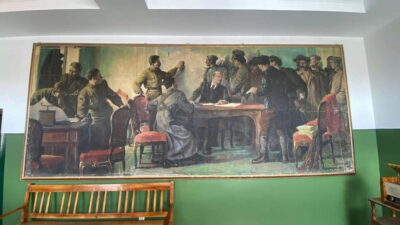
Half-Day Private Tour to Alzhir Camp from Nur-Sultan
Read our review →
Old City Tour, Imperialistic and Soviet Architecture
Read our review →Browse the lists this tour appears in