
Reviewed · NOMADIC CULTURE TOURS
Kazakh Ethno-Village Tour
At Gunny Ethno Village, Kazakh culture is presented through action: you cook baursaks, enter a yurt, watch riders perform daring tricks, eat a national lunch, and try archery yourself. The horse show is the big draw, with acrobatic moves that give the program real energy.
I like the wide mix of activities, since the day moves from food and home life to horses and weapons. I also like the human touch from guides such as Luba, Aman, Serj, Sherzhan, and Iman, who have been praised for clear explanations, friendly help, and careful transport arrangements.
The main consideration is the price: at $170 per person, this is not a bargain outing. You are paying for a long day with transport, a guide, admission, meals, demonstrations, and hands-on activities, so it makes the most sense if you want a structured cultural day rather than a simple countryside visit.
Key points to know before booking
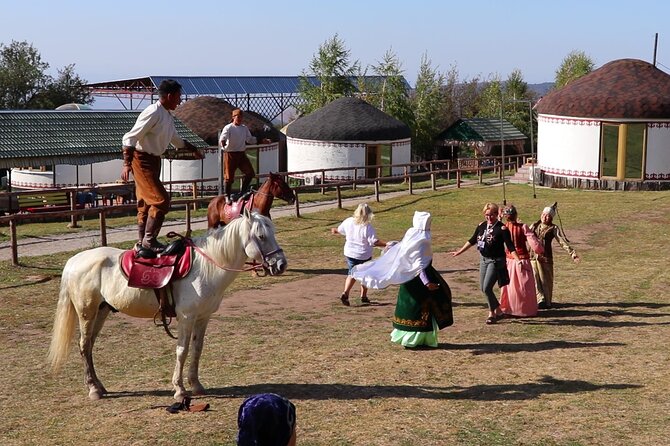
- Horse acrobatics are the day’s highlight: Expect a lively show with riders performing impressive stunts, followed by a chance to ride.
- Baursak making gives you a hands-on start: You do more than watch a cooking demonstration.
- The yurt visit explains nomadic daily life: This adds useful context before the performances begin.
- Lunch includes national Kazakh dishes: Meat is cooked and served separately, an important detail for meal planning.
- The small group size helps: A maximum of 15 people is listed, which should make the demonstrations easier to follow.
- Pickup and drop-off simplify the day: The schedule runs from central Almaty to the village and back in roughly seven hours.
A full day of Kazakh culture outside Almaty
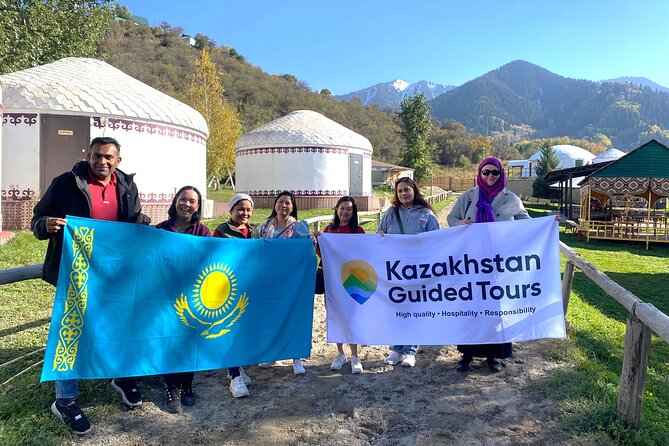
This tour gives you a compact introduction to several parts of Kazakh life without asking you to arrange separate transport, meals, and activities. The setting is an ethnographic village at the foot of the Trans-Ili Alatau mountains, where the program uses a yurt, traditional food, horses, wool, archery, and staged customs to explain nomadic culture.
I would think of it as a cultural performance day with hands-on elements, not as a visit to an untouched nomadic settlement. The village is specially created for this purpose, and the presentations are organized for visitors. That is not a fault, but it helps set expectations. You are here to see customs explained clearly and enjoy a lively program, rather than observe ordinary daily life.
The schedule is well paced. You start with food and introductions, move into the yurt and nomadic customs, then reach the horse show, lunch, archery, and free time. Since the tour lasts about six to seven hours, it fills most of a day without becoming an overnight commitment.
More nomadic culture experiences in Almaty:
- Experience the Nomadic Lifestyle at ‘The Huns’ Ethno-village
★ 4.5 · 25 reviews - Discover Nomadic Lifestyle in ‘The Huns’ Ethno-village
★ 5.0 · 25 reviews - Almaty: Falconry show and Big Almaty Gorge
★ 4.1 · 10 reviews
Leaving Almaty for Gunny Ethno Village
Pickup is scheduled between 9:30 and 10:00 in the morning, with the stated meeting point at Shevchenko Street 28 in Almaty. The activity begins at 10:00 a.m. and ends back at the meeting point around 4:30 to 5:00 p.m.
The drive to the village takes about an hour, with arrival planned for 11:00. That transfer matters because the village is outside the city, and arranging a taxi or private car on your own would add cost and planning. The tour includes transport, and several guides have been praised for keeping the day organized and comfortable.
A maximum of 15 people is listed. That is small enough to make a difference during the cooking, archery, and yurt presentations. You will not be in a giant coach group, though the experience still has a set program and timed performances.
The guides are one of the strongest parts of the experience. Luba is noted for excellent English and for helping people get good places to watch the show. Aman has been praised for punctual driving and attentive assistance, while Serj, Sherzhan, and Iman are also identified as friendly and helpful guides. Your actual guide depends on the departure, but the guide-and-driver setup is worth noting. It means the person explaining the culture is not necessarily busy driving at the same time.
A warm welcome with warriors and Shashu
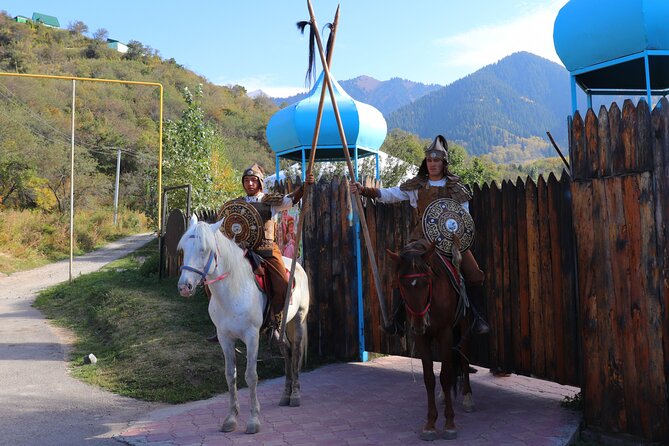
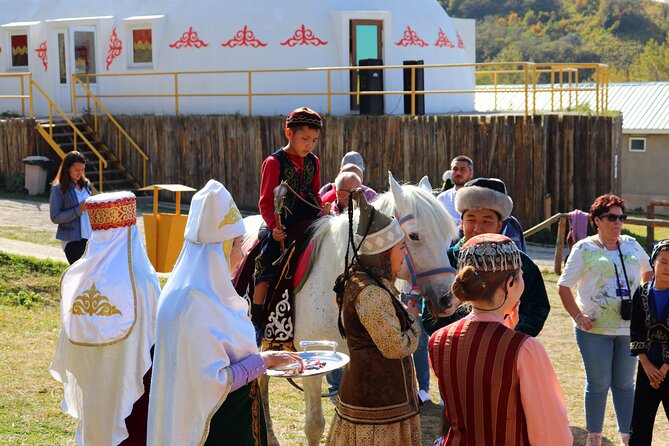
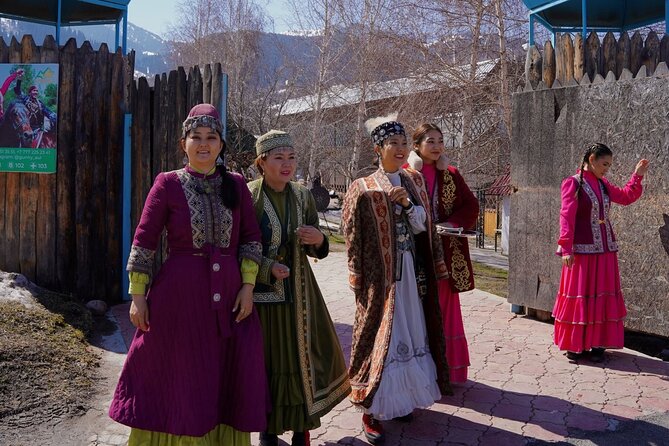
Arrival begins with a welcome from performers dressed as warriors in battle armor. You also take part in the Shashu ritual, a traditional welcoming custom that involves scattering sweets or other small treats as a sign of goodwill and celebration.
This opening gives the day a sense of occasion right away. It is staged, but it is not a dull lecture. You enter the village through a ritual, costumes, and direct contact with the performers. For a first introduction to Kazakh customs, that is an effective way to get your bearings.
If you prefer quiet historical sites, the welcome may feel theatrical. The tour promises an authentic theatrical show program, and that wording is important. The village presents culture through performance and participation. Families and groups of friends are likely to enjoy the energy more than visitors seeking a purely academic museum experience.
Making baursaks with your own hands
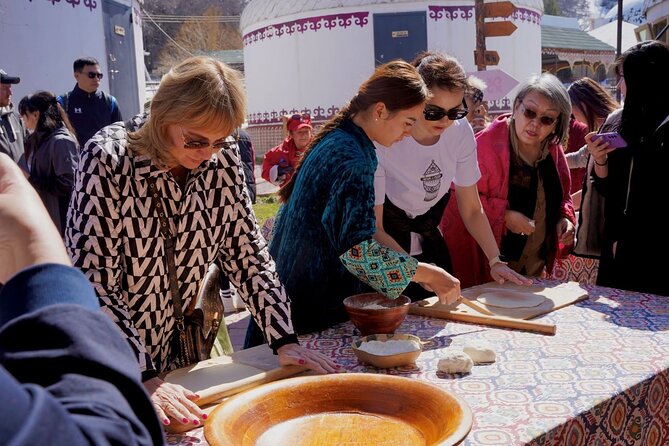
The first scheduled activity is a baursak cooking master class at about 11:10. Baursaks are traditional Kazakh flour products, often served as small fried pieces of dough. Here, you get a practical introduction instead of simply finding them on your lunch plate later.
Food is a useful entry point into culture. You can learn how a familiar staple is made, then recognize it when it appears during the meal. The cooking session also breaks up the formal welcome and gives you something to do with your hands.
The program does not specify how much each person prepares or whether the baursaks are cooked and eaten immediately, so you should treat this as a short demonstration and participation session rather than a full cooking course. Still, it is one of the details that makes the visit more engaging than a show watched from a seat.
A few more Almaty half-days worth a look
- Almaty: Charyn Canyon, Kolsay, and Kaindy Lakes Day Trip
★ 4.7 · 1,522 reviews - Kolsai, Kaindy Lakes and Charyn Canyon Small-Group Tour
★ 5.0 · 642 reviews - Almaty: Kolsai-Kaindy Lakes and Charyn Canyons Day Trip
★ 4.7 · 505 reviews - From Almaty: Kolsay, Kaindy Lakes and Charyn Canyon Day Trip
★ 4.6 · 452 reviews
Inside the yurt and the world of nomadic life
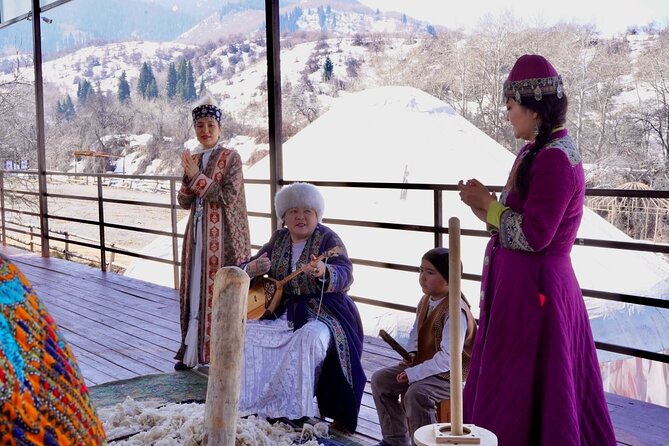
At about 11:30, the program turns to the yurt, the traditional dwelling associated with Kazakh nomadic life. You learn about the home itself and about the way nomads lived.
This is an important part of the day because the yurt gives the rest of the program a frame. The horse skills, wool work, food, and archery all make more sense when connected to a mobile way of life. Rather than seeing isolated costumes and performances, you get a basic picture of how a nomadic household was organized.
The schedule also mentions cleaning and whipping wool. That detail points to the practical work behind traditional textiles and household goods. It is easy to focus on the glamorous side of nomadic culture, especially horses and warriors. A look at wool and daily chores adds a more grounded note.
You should not expect a long museum-style explanation with extensive historical detail. This section is part of a broad half-day program, so the information is likely to be accessible and concise. If your main interest is Kazakh history, use the guide’s explanations and ask questions while you have the chance.
The horse show is the main event
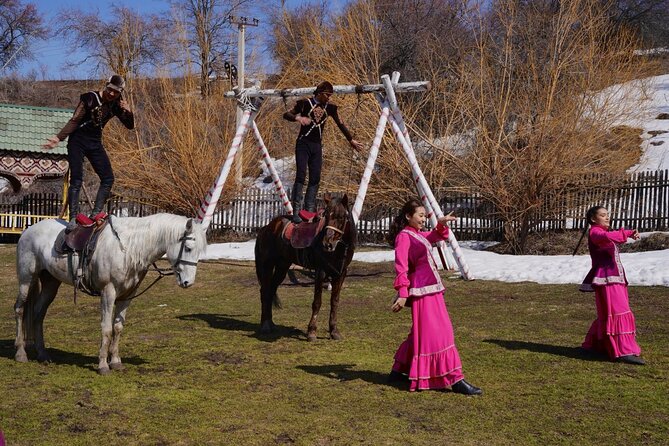
At noon, the horse program begins. It includes a show with horses, horseback riding, and impressive riding skills. The acrobatic moves are the part most likely to stay with you, especially if you have not seen riders perform tricks at speed.
This is not simply a gentle demonstration of how to mount a horse. The program is built around spectacle and horsemanship. Riders in traditional dress perform stunts that show balance, control, and confidence in the saddle. The performances have been described as intense and entertaining, and the horse show is clearly the high point for many people who choose this outing.
The schedule allows about an hour for the show and riding. That is enough time for the performance to feel substantial, though the exact amount of riding time for each person is not specified. If you are booking mainly because you want a long horseback excursion, this may not be the right product. The ride is presented as a short chance to try a horse after the show, not a long trail ride.
You should also keep the difference between watching and participating in mind. The skilled riders handle the demanding stunts. You get a short ride and a chance to experience the setting, but you are not expected to repeat the acrobatics.
Lunch with Kazakh dishes
A buffet lunch is scheduled for 1:00 p.m. The meal features national Kazakh dishes, giving you another way to connect the cultural program with everyday food.
One useful detail is that meat is cooked and served separately. That may help if you are managing dietary preferences within a group, though the available information does not provide a full vegetarian menu or a list of ingredients. You should ask the operator directly if you have allergies or strict dietary needs.
The buffet format also suits a mixed group. You can choose what appeals to you and spend less time waiting for individual plates. Past menu details are not provided, so do not book this expecting a specific dish. Instead, consider lunch a substantial part of the day and a chance to taste local food in the village setting.
The timing works well. After the horse show, you get a seated meal before the afternoon archery session. That pause keeps the day from becoming one long chain of demonstrations.
Archery after lunch
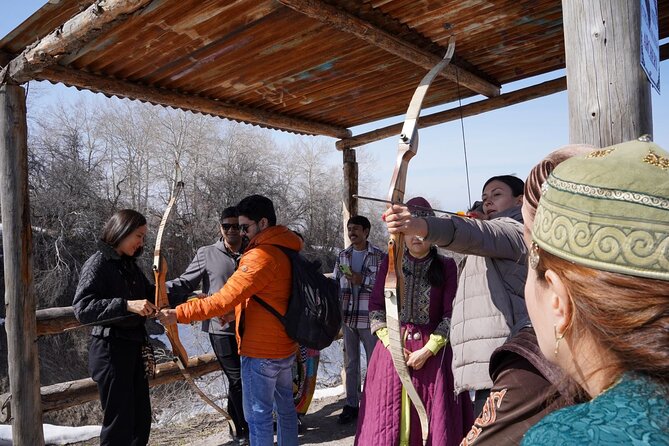
At 2:00 p.m., you take part in an archery master class. Archery is presented as a skill associated with nomadic Kazakhs, and the session lets you try it rather than only hearing about it.
This is a good contrast with the horse show. The performance is something you watch, while archery gives you a personal challenge. Do not expect to develop expert form in a short class, but you can gain a clearer sense of the focus and coordination the skill requires.
The archery session also gives the afternoon a quieter rhythm. After the noise and movement of the horses, aiming at a target asks you to slow down and concentrate. It is the kind of activity that works for families and friends because people can encourage each other without needing previous experience.
The tour information says most people can participate, but it does not provide detailed accessibility guidance. If you have mobility concerns or need specific assistance, contact the provider before booking.
Free time and the ride back
After archery, you have free time from about 2:30 to 3:30. That hour is useful. You can revisit parts of the village, take photographs, talk with the guide, or simply rest after a full program.
The free period also keeps the schedule from feeling too rigid. The main activities are timed, but you are not sent straight from one performance to the next until departure. Ask your guide what is open during this hour, since the available options are not specified in the tour details.
Departure is planned for 3:30, with arrival back in Almaty between 4:30 and 5:00. In practice, traffic or group timing could affect the return, so avoid scheduling an important evening commitment too tightly after the stated end time.
Is $170 a fair price?
At $170 per person, the tour is firmly in the paid-experience category rather than the casual day-trip category. The value depends on how many parts of the package you would otherwise arrange yourself.
The price includes pickup, transport, admission to the village, a guide, the cultural demonstrations, the baursak activity, the horse program, lunch, archery, and a short horse ride. It also saves you from coordinating transport to a rural site and finding separate cultural activities once you arrive.
I would consider it fair for someone who wants a planned introduction to Kazakh culture and prefers a guide-led day. The small maximum group of 15 adds value, as does the separate driver and guide arrangement when available. The price is harder to justify if your priority is only horseback riding, only lunch, or only a quiet view of the mountains.
Group discounts are offered, which may improve the calculation for families or friends booking together. The experience is also booked, on average, 26 days ahead, so planning early may matter if your dates are fixed.
Who should book this experience?
I would suggest this tour to first-time visitors to Almaty who want a clear introduction to Kazakh customs without building a full day from separate pieces. It should also suit families, couples, and groups of friends who enjoy a mixture of food, short demonstrations, animals, and hands-on activities.
The tour is especially useful if you want to see a yurt, sample national dishes, watch traditional horse skills, and try archery in one outing. It gives you enough variety that a single activity does not have to carry the whole day.
I would be more cautious if you want an unscripted encounter with contemporary Kazakh life, an extended horseback trip, or detailed scholarly history. This is a theatrical cultural program in a purpose-built village. Its strength is the range and organization, not solitude or spontaneity.
The experience requires good weather, and the provider may reschedule or refund it if conditions are poor. A minimum number of participants is also required. You can cancel for a full refund up to 24 hours before the start time, but changes or cancellations inside that window are not accepted.
My take: book it if you want culture with plenty to do
I would book the Kazakh Ethno-Village Tour if I wanted one organized day that combines nomadic customs, food, horses, and archery. The horse show gives the outing its excitement, while the yurt visit, baursak lesson, wool work, and lunch add useful everyday context.
The price calls for a clear purpose. You are not paying for a long ride through the countryside. You are paying for a guided cultural program with transport and several activities packed into one day. For that purpose, it offers a convenient and varied introduction to Kazakhstan near Almaty.
FAQ
Where does the Kazakh Ethno-Village Tour take place?
The tour takes place at Gunny Ethno Village near Almaty, in a picturesque area at the foot of the Trans-Ili Alatau mountains.
How long does the experience last?
The full experience lasts about six to seven hours. The schedule begins with pickup around 9:30 to 10:00 a.m. and returns to Almaty around 4:30 to 5:00 p.m.
Where is the meeting point?
The stated meeting point is Shevchenko Street 28, Almaty 050010, Kazakhstan. The activity ends back at the meeting point.
Is pickup included?
Yes. Hotel pickup is offered, with departure from Almaty scheduled between 9:30 and 10:00 a.m.
What activities are included?
The program includes a Shashu welcome ritual, a baursak cooking master class, a yurt and nomadic-life presentation, a horse show, horseback riding, lunch, an archery master class, and free time.
Is lunch included?
Yes. A buffet lunch of national Kazakh dishes is scheduled for 1:00 p.m. Meat is cooked and served separately.
Can I ride a horse?
Yes. The program includes a short horseback ride and a chance to try riding one of the horses. The listed information does not specify the length of each individual ride.
How many people can join the tour?
The maximum group size is 15 people. Group discounts are also available.
What happens if I need to cancel?
You can cancel up to 24 hours before the experience starts for a full refund. Cancellations or changes made less than 24 hours before the start time are not accepted. If bad weather or an insufficient number of participants causes the tour to be canceled, you will be offered another date or experience, or a full refund.
Newest Almaty trips on the site
- 2 day tour to Altyn Emel Singing Dune and Aktau mountain★ 4.5 · 4 reviews
- 2 Days Tour: Charyn Canyon & Black Canyon, Kaindy & Kolsay Lakes★ 5.0 · 6 reviews
- Private Big Almaty Lake Hiking Tour with alternatgive Pipeline★ 5.0 · 4 reviews
- Personalized guided Car Tours to Charyn Canyon & Kolsay Lake★ 5.0 · 4 reviews
- 2 Days Private Kolsai and Kaindy Tour★ 5.0 · 4 reviews
- One Day Ski Tour Near Almaty★ 5.0 · 6 reviews
- Medeu and Shymbulak + Big Almaty Lake and Falcon show (Private day-tour)★ 5.0 · 6 reviews
- 2 Days Private Kolsai Kaindy Lakes with Charyn Canyon Tour★ 5.0 · 5 reviews
Nomadic Culture Tours, compared.
Experience the Nomadic Lifestyle at ‘The Huns’ Ethno-village
Read our review →
Discover Nomadic Lifestyle in ‘The Huns’ Ethno-village
Read our review →
Private Yurt Tour with Horses: Immerse into Kazakh Culture
Read our review →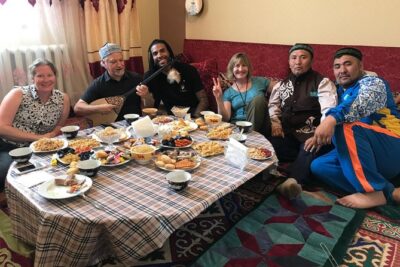
Trip to Kazakh family of Eagle hunters in Astana (6 hours)
Read our review →
Medeu and Shymbulak + Big Almaty Lake and Falcon show (Private day-tour)
Read our review →Browse the lists this tour appears in